
Modern Varicose Vein Care Includes Ultrasound-Based Diagnosis and Customized Treatment
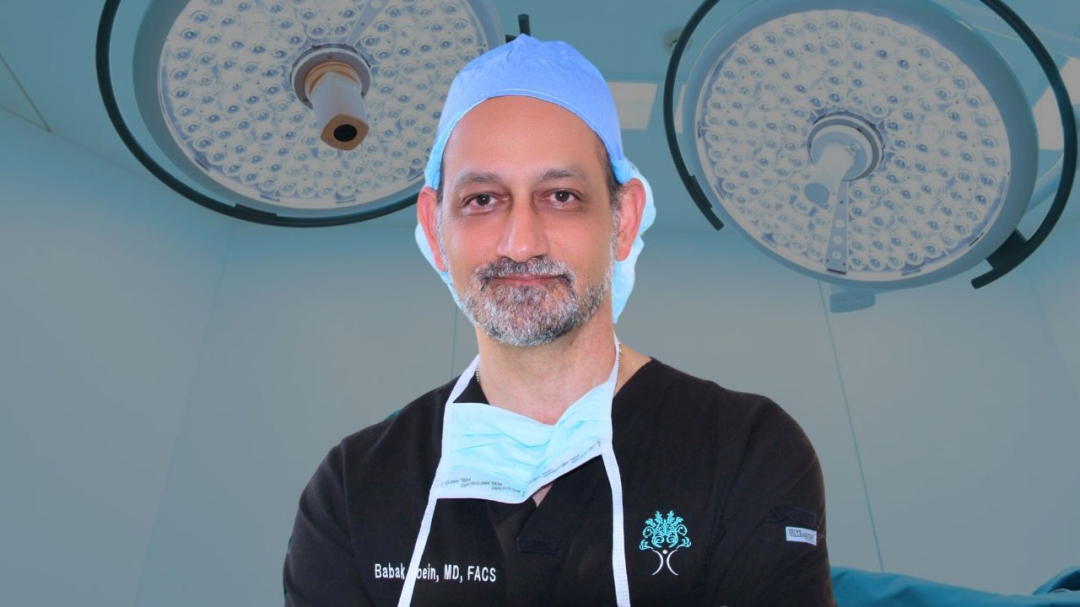
Healthy Life Bariatrics, led by Dr. Babak Moeinolmolki, also known as Dr. Babak Moein, has published a new educational guide explaining the evaluation and treatment of varicose veins and spider veins.
The resource is intended to help patients understand the difference between cosmetic surface veins and chronic venous disease, recognize symptoms that may require medical evaluation, and learn how modern minimally invasive treatments are selected.
Varicose veins are enlarged, twisted superficial veins that most often develop in the legs. Spider veins, medically known as telangiectasias, are smaller red, blue, or purple vessels visible near the surface of the skin. Spider veins are frequently a cosmetic concern, while larger varicose veins may be associated with aching, heaviness, swelling, itching, night cramps, skin discoloration, bleeding, inflammation, or venous ulcers.
Healthy Life Bariatrics currently provides information about minimally invasive approaches to varicose and spider vein treatment at its Los Angeles practice.
Why Varicose Veins Become Enlarged
Healthy leg veins contain valves that help direct blood upward toward the heart. When these valves weaken or fail to close properly, blood may flow backward and collect within the superficial veins.
This process, known as venous reflux, increases pressure inside the affected vessels. Over time, the veins may enlarge, become twisted, and rise above the surface of the skin.
Common risk factors include:
-
Family history of venous disease
-
Increasing age
-
Pregnancy
-
Obesity
-
Previous blood clots
-
Prolonged standing or sitting
-
Reduced mobility
-
Hormonal influences
-
Previous leg injury
A visible vein alone does not reveal the full extent of the underlying condition. Patients with similar-looking veins may have very different patterns of reflux and therefore require different treatments.
Spider Veins and Varicose Veins Are Not the Same
Spider veins are small networks of dilated superficial blood vessels. They are commonly found on the legs or face and are usually treated because of their appearance, although some patients report burning, itching, or localized discomfort.
Varicose veins are larger veins that may bulge above the skin. They can reflect an underlying problem with venous circulation and may progressively produce swelling, inflammation, skin changes, or ulceration.
Not every spider vein represents a dangerous medical condition, and not every visible varicose vein requires immediate intervention. The need for treatment depends on the patient’s symptoms, examination findings, venous anatomy, and personal goals.
Duplex Ultrasound Is the Primary Diagnostic Study
Evaluation generally begins with a medical history and an examination of the legs, often while the patient is standing.
For patients with suspected symptomatic varicose veins or recurrent venous disease, duplex ultrasound is the principal diagnostic test. The study combines conventional ultrasound with Doppler technology to evaluate vein anatomy, blood-flow direction, valve function, venous reflux, and the presence of obstruction or thrombosis. Current vascular guidelines recommend duplex ultrasound as the diagnostic test of choice for evaluating lower-extremity venous reflux.
CT venography, MR venography, and invasive contrast venography are not routinely required for uncomplicated surface varicose veins. These studies are generally reserved for selected patients when deeper pelvic or abdominal venous obstruction, unusual anatomy, or another complex vascular disorder is suspected.
Treatment Should Be Based on the Source of Venous Reflux
Modern vein treatment is not limited to removing the most visible vessels. An effective treatment plan should first identify whether the patient has reflux in a major superficial vein, isolated tributary varicosities, spider veins, or a combination of conditions.
Depending on the findings, treatment may include:
-
Lifestyle and symptom-management measures
-
Graduated compression stockings
-
Liquid or foam sclerotherapy
-
Ultrasound-guided foam sclerotherapy
-
Endovenous radiofrequency ablation
-
Endovenous laser ablation
-
Ambulatory phlebectomy
-
Surface laser treatment
-
Selective surgical ligation or stripping
Guidelines generally favor minimally invasive endovenous treatment over traditional vein stripping when intervention is appropriate for symptomatic axial reflux. The choice between thermal ablation, nonthermal closure, sclerotherapy, and surgery depends on the anatomy and clinical circumstances.
Compression Therapy Can Help Control Symptoms
Graduated compression stockings apply external pressure to the legs and may help reduce swelling, aching, heaviness, and fatigue.
Compression can be useful for patients who are not ready for an intervention, are not candidates for a procedure, are pregnant, or need temporary symptom management.
However, compression stockings generally do not eliminate established varicose veins or permanently correct significant venous reflux. Patients with persistent symptoms should be evaluated to determine whether an anatomical treatment is appropriate.
Sclerotherapy Treats Spider Veins and Selected Varicose Veins
Sclerotherapy is a minimally invasive office-based procedure in which a liquid or foam medication is injected into an abnormal vein.
The medication irritates the inner lining of the vessel, causing it to close. Blood is then redirected through healthier veins, and the treated vessel gradually becomes less visible as it is absorbed by the body.
Sclerotherapy is commonly used for spider veins, reticular veins, and selected smaller varicose veins. Ultrasound guidance may be used when treating veins that are not clearly visible beneath the skin or when foam is delivered into larger tributaries.
The procedure does not always require anesthesia, although treatment protocols vary. Patients may experience temporary bruising, firmness, staining, itching, or tenderness. Multiple treatment sessions may be necessary, and complete disappearance of every visible vein cannot be guaranteed.
Endovenous Ablation Closes Refluxing Truncal Veins
Endovenous thermal ablation is used to treat larger superficial veins with documented reflux, including incompetent segments of the great or small saphenous veins.
During the procedure, a thin catheter is positioned inside the abnormal vein under ultrasound guidance. Radiofrequency or laser energy is delivered to the vein wall, causing the vessel to close.
Because blood is redirected through functioning veins, the treated vein is no longer needed for normal circulation. The body gradually remodels the closed vessel over time.
Most endovenous procedures are performed on an outpatient basis. Walking is generally encouraged soon afterward, although activity restrictions and follow-up requirements depend on the individual procedure and the patient’s medical risk factors.
Surface Laser and Endovenous Laser Serve Different Purposes
The term “laser vein treatment” can refer to two different procedures.
Endovenous laser ablation uses a catheter placed inside a refluxing vein to close it from within.
Surface or transcutaneous laser treatment directs light energy through the skin and is typically reserved for small spider veins or superficial vessels that may not be ideal for injection.
Surface laser treatment may require more than one session. Temporary redness, swelling, crusting, bruising, blistering, or pigment changes can occur. Sun protection may be recommended to reduce the risk of post-treatment discoloration.
Radiation therapy is not a standard treatment for cosmetic spider veins or routine varicose vein disease.
Ambulatory Phlebectomy Removes Bulging Surface Veins
Ambulatory phlebectomy, also called microphlebectomy, is used to remove prominent varicose tributaries through a series of very small skin openings.
The procedure is typically performed with local anesthesia and may be combined with endovenous ablation when both a refluxing truncal vein and visible surface branches require treatment.
Temporary bruising, swelling, firmness, numbness, or tenderness may occur. The resulting access points are small, but no procedure can guarantee invisible scars.
Traditional Vein Surgery Is Now Used Selectively
High ligation and vein stripping were once common treatments for saphenous vein reflux.
Although these operations remain appropriate in selected cases, they are now used less often because endovenous techniques can frequently close an abnormal vein through smaller access sites and with a shorter recovery.
Surgery may still be considered when the anatomy is unsuitable for catheter-based therapy, minimally invasive treatment is unavailable, or previous procedures have failed.
Recovery Depends on the Procedure Performed
Recovery after vein treatment is usually based on the size and number of treated veins, the presence of underlying reflux, the selected technique, and the patient’s overall health.
Patients may be advised to:
-
Walk regularly after treatment
-
Wear compression stockings for a specified period
-
Avoid prolonged immobility
-
Delay strenuous exercise temporarily
-
Protect treated skin from direct sun exposure
-
Attend scheduled ultrasound or clinical follow-up
-
Report worsening pain, swelling, bleeding, or skin changes
Visible improvement is gradual. Spider veins and treated varicosities may fade over several weeks or months, and additional treatment may be required for residual vessels.
Treating existing veins does not prevent every new vein from developing in the future. Genetics, aging, pregnancy, weight changes, and ongoing venous disease can contribute to recurrence or the development of new visible vessels.
Not Every Patient Is a Candidate for Every Procedure
Treatment recommendations should account for the patient’s medical history, symptoms, vascular examination, ultrasound findings, medications, and risk of complications.
Special consideration may be necessary for patients who:
-
Are pregnant or breastfeeding
-
Have an active deep vein thrombosis
-
Have a history of significant blood clots
-
Take anticoagulant medication
-
Have peripheral arterial disease
-
Have active skin infection
-
Have impaired wound healing
-
Have limited mobility
-
Have an allergy to a proposed medication
A history of blood clots does not automatically prohibit all vein treatment, but it may require additional evaluation and a modified treatment plan.
When Leg Vein Symptoms Require Prompt Attention
Patients should seek prompt medical evaluation for sudden one-sided leg swelling, increasing warmth or redness, severe calf pain, active bleeding from a vein, a nonhealing leg wound, or rapid skin deterioration.
Chest pain, shortness of breath, coughing blood, fainting, or unexplained rapid heart rate may indicate a medical emergency and require immediate emergency care.
Personalized Vein Care Begins With Clinical Evaluation
Healthy Life Bariatrics encourages patients with visible veins, leg discomfort, swelling, skin changes, or a history of venous disease to undergo an individualized medical evaluation before selecting treatment.
The consultation may determine whether the patient has a cosmetic surface-vein concern, clinically significant venous reflux, or another condition requiring referral or additional testing.
Treatment recommendations may then be customized according to the affected veins, severity of symptoms, ultrasound findings, general health, and patient preferences.
About Healthy Life Bariatrics
Healthy Life Bariatrics is a Los Angeles-based medical practice led by Dr. Babak Moein. The practice provides bariatric surgery, medically supervised weight-management services, body-contouring procedures, and selected general surgical and minimally invasive treatments.
Media Contact
Company Name: Healthy Life Bariatrics
Contact Person: Bariatric Surgeon Dr.Moeinolmolki
Email: Send Email
Phone: +1(310)861-4093
Address:2080 Century Park East, Suite 501
City: Los Angeles
State: CA
Country: United States
Website: https://healthylifebariatrics.com/


