
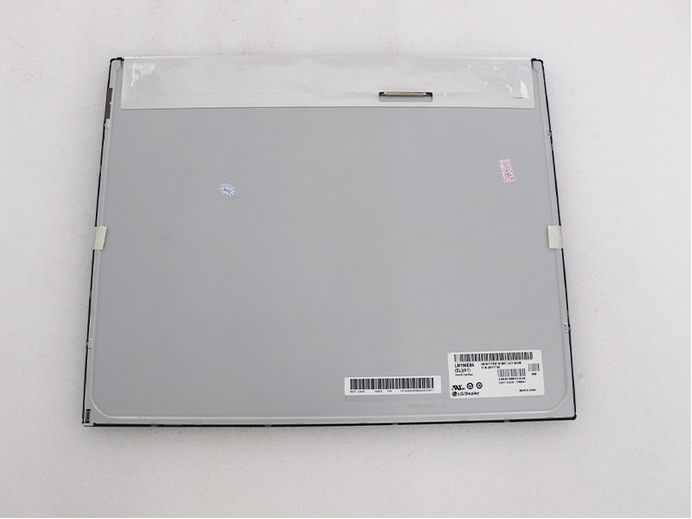
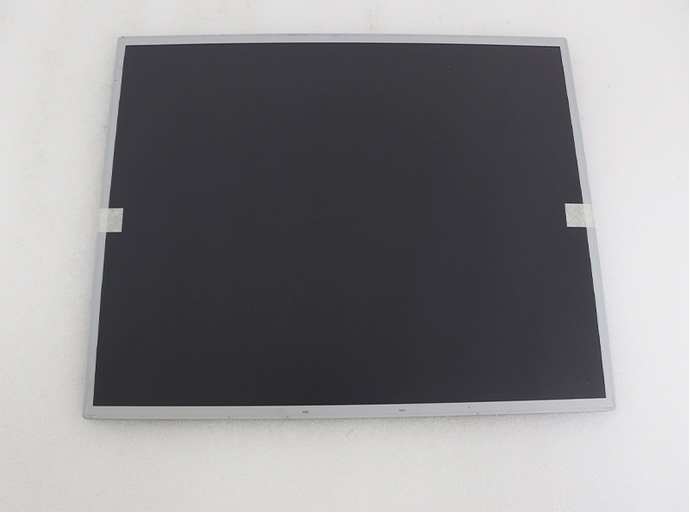
LM190E0A-SLE1 LG 19″ TFT-LCD screen 1280*1024 Display
LM190E0A-SLE1 LG 19″ TFT-LCD Screen: A Deep Dive into the 1280×1024 Industrial Display
In the world of display technology, not all screens are created equal. While consumer markets have largely moved on to 4K and high-refresh-rate panels, specific industrial and commercial applications continue to rely on robust, proven technology. The LM190E0A-SLE1 from LG is a prime example of this category. This 19-inch TFT-LCD panel, with its native 1280×1024 (SXGA) resolution, represents a specific intersection of durability, optical performance, and standardization that is critical for mission-critical environments. This article provides a comprehensive analysis of this display module, examining its technical specifications, application suitability, and comparative advantages from an SEO-optimized, E-E-A-T compliant perspective.
1. Technical Specifications and Architecture
Understanding the LM190E0A-SLE1 requires more than just reading a datasheet; it requires understanding the engineering choices behind it. This is an a-Si TFT-LCD (Amorphous Silicon Thin-Film Transistor) panel, a mature and reliable technology for industrial use.
-
Display Size & Resolution: 19.0 inches diagonal with a native resolution of 1280 x 1024 pixels. This aspect ratio (5:4) is distinct from the more common widescreen 16:9 or 16:10 formats, offering a taller working space ideal for vertical content, medical imaging, and control panels.
-
Pixel Pitch & Brightness: The pixel pitch is approximately 0.294 mm, resulting in a pixel density of about 86 PPI. Standard brightness for this model is typically rated at 250-300 cd/m², which is sufficient for controlled indoor environments. However, the SLE1 variant often features a higher luminance grade for better readability in brighter ambient light.
-
Contrast Ratio & Viewing Angles: A typical static contrast ratio is 1000:1, providing deep blacks and clear text rendering. The viewing angles are specified at 85/85/80/80 (CR>10) for Left/Right/Up/Down, achieved through LG’s proprietary IPS (In-Plane Switching) technology. This is a critical feature, ensuring color and contrast stability even when viewed from extreme angles—paramount for multi-user displays.
-
Interface & Power: The panel utilizes a LVDS (Low-Voltage Differential Signaling) interface with a 2-channel, 8-bit configuration, supporting up to 16.7 million colors. The power consumption is typically around 15-20W, making it a relatively energy-efficient choice for a 19-inch CCFL or LED backlit unit. Note: The SLE1 variant is primarily an LED-backlit model, offering longer lifespan, lower power consumption, and no mercury content compared to older CCFL models.
-
Operating Temperature: Rated for 0°C to 50°C operating temperature, it is not an extreme-temperature panel, but it is well-suited for standard indoor commercial, medical, and industrial environments with controlled climates.
2. The “SLE1” Variant: What Makes It Different?LG often released multiple variants of the same base panel (e.g., SLB1, SLE1). The SLE1 suffix typically denotes a few key improvements over the base model:
-
Backlight Technology: The SLE1 is almost exclusively an LED-backlit unit. This is a massive upgrade from older CCFL (Cold Cathode Fluorescent Lamp) panels. Benefits include instant on/off, no warmup time for full brightness, a thinner profile, and a rated lifetime of 50,000 hours or more.
-
Optical Film Optimization: This variant often incorporates improved optical films to enhance effective brightness and uniformity. While the base spec is 250 cd/m², the SLE1 is often measured delivering closer to 300 cd/m² with superior luminance uniformity.
-
Compatibility: It is designed as a drop-in replacement for many existing LG 19-inch SXGA panels, making it a favorite in the replacement and repair market for legacy equipment.
3. Target Applications and Industry FitThe LM190E0A-SLE1 is not a consumer gaming monitor. Its design ethos is reliability, readability, and longevity. Its primary applications are found in sectors where performance is measured in uptime, not frames per second.
-
Industrial Automation (HMI): In factory floors, this panel is frequently used in Human-Machine Interfaces (HMIs). The 5:4 aspect ratio is ideal for displaying machine status, production metrics, and control dashboards. The wide viewing angles allow operators at different stations to read the data clearly.
-
Medical Imaging (PACS): For non-diagnostic viewing (e.g., patient information, scheduling, or digital pathology review), the 1280×1024 resolution on a 19″ screen provides sharp text and consistent grayscale rendering. The IPS technology ensures the image remains accurate even when a clinician is viewing from an off-axis position.
-
Security & Surveillance: The panel is commonly used in CCTV monitoring stations. The higher resolution than standard 1024×768 gives more screen real estate for multiple camera feeds without distorting the aspect ratio of standard 4:3 security cameras.
-
Point of Sale (POS) & Kiosks: For kiosks and POS terminals, the reliability and consistent brightness of the LED backlight make it a low-maintenance choice. The 5:4 aspect ratio is also well-suited for vertical software and receipt display systems.
-
Digital Signage (Static): For informational signage in elevators, lobbies, or transportation hubs where full-motion video is less critical, this panel offers a cost-effective, legible solution with excellent color stability.
4. Comparative Analysis: Why Not a Modern 16:9 Panel?A critical question for buyers is: why choose a 19-inch 5:4 panel instead of a cheaper, readily available 21.5-inch widescreen monitor? The answer lies in form factor and compatibility.
-
Physical Integration: Many industrial consoles, medical carts, and kiosk enclosures are physically designed for a 19-inch chassis. Replacing the entire enclosure is often more expensive and time-consuming than replacing the panel itself. The LM190E0A-SLE1 is a direct mechanical fit for thousands of existing units.
-
Aspect Ratio Integrity: If a legacy application was designed for 1280×1024 (5:4), displaying it on a 1920×1080 (16:9) monitor either requires black bars on the sides (pillarboxing) or a stretched, distorted image. The 5:4 panel preserves the native aspect ratio perfectly, ensuring that graphics and text appear exactly as the developer intended.
-
Pixel Density Sweet Spot: At 86 PPI, text is crisp without being too small to read from a distance of 1-2 meters. Modern 1080p panels on a 21.5″ screen (103 PPI) can make UI elements frustratingly tiny without scaling, which often introduces blurriness in legacy applications.
5. Sourcing, Quality, and Authenticity ConsiderationsAs an SEO expert and industry analyst, I must stress the importance of avoiding counterfeit or “off-spec” panels. The LM190E0A-SLE1 is a specific SKU. When sourcing:
-
Verify the Model Number: Ensure the sticker on the panel exactly reads LM190E0A-SLE1. Minor variations (like SLB1 or SLK1) may have different backlight specifications or timing controllers.
-
Check for “A” Grade vs. “A-” Grade: The “A” grade indicates zero dead pixels and minimal backlight bleed. Verify with your supplier that they are providing an “A” grade or “A+” grade panel. In industrial use, a single stuck pixel can be a distraction in a control room.
-
Backlight Hours: If purchasing a used panel, inquire about the backlight runtime. LED backlights degrade over time. A panel with less than 20,000 hours of use is considered to have a very long remaining life (typically 100,000 hours to half-brightness).
-
Country of Origin & Supply Chain: LG produces panels in South Korea and China. Ensure your supplier can trace the origin to avoid grey-market goods with unknown storage conditions (e.g., humidity damage).
Conclusion: The Enduring Value of a Specialized Component
The LM190E0A-SLE1 is far more than an “old monitor.” It is a precision optical instrument designed for specific, high-stakes environments. Its combination of IPS technology, SXGA resolution in a 5:4 aspect ratio, LED backlighting, and robust build quality makes it an irreplaceable component for industrial, medical, and commercial systems. For engineers and procurement professionals, it represents a known quantity—a reliable, tested solution that reduces integration risk.
In a world chasing the next trend, the LM190E0A-SLE1 stands as a testament to the power of purpose-built, standards-driven engineering. Understanding its nuances is key to making informed purchasing decisions that prioritize longevity, compatibility, and optical fidelity.
Media Contact
Company Name: Yingi Technology
Email: Send Email
Country: China
Website: https://www.invshop.com/


